Category Archives: Movies

The Odyssey: A Case Study in Male Ingenuity

By Mohamed Omer

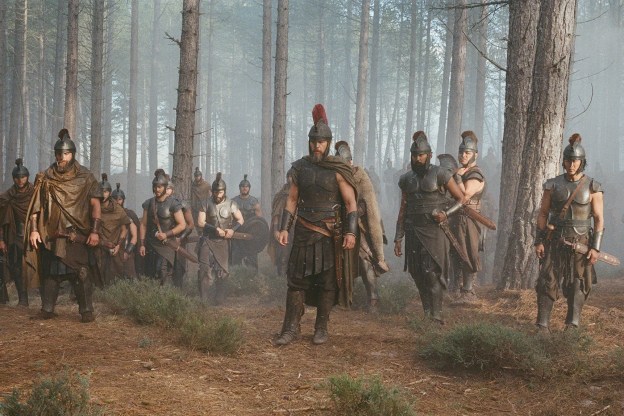
From the mind that brought you the genre-bending Inception, existentially terrifying Interstellar, and cult classic The Dark Knight, director, writer, and producer Christopher Nolan spearheads a feature film reimagination of a centuries-old tale: The Odyssey. The movie’s main cast includes Tom Holland as Telemachus, son of Odysseus; Robert Pattinson as Antinous, a hard-headed suitor looking to challenge the throne; and Oscar winners Anne Hathaway and Matt Damon as Penelope and Odysseus, Queen and King of Ithaca, respectively. 

In his undertaking of The Odyssey — a Greek epic that is notoriously controversial to translate and adapt — Nolan forgoes consistency and character development to devote ample screentime to Odysseus’ voyage, producing a movie that fails the Bechdel test with flying colors.

Nolan’s Odyssey begins: A bard, played by Travis Scott, delivers an ambiguous warning about a man, a king, a son, a war. Penelope reveals that her husband Odysseus has been missing since his army ambushed the kingdom of Troy. In his absence, her suitors have made themselves comfortable in the castle’s basement, feasting ceaselessly on her food. However, the introduction to this movie is littered with mismatched cuts, unconvincing fight scenes, and dispassionate line delivery. The film spends its first act fighting against immersion — until Odysseus embarks on his journey. 

Suddenly, Nolan can do nuanced cinematography. He is thorough in following the all-male crew led by Odysseus and the details of the trials they endure. The B plot follows Telemachus as he reckons with the absence of his father, but unfortunately, Telemachus comes off less as a hopeful son and more as a rookie broadcaster reading off a teleprompter. Despite this fact, the Ithaca storyline centers him and resigns Penelope to the C plot, where her entire arc is built upon her suffering.

Penelope spends twenty years loyal to the King while he rampages land, gods and myth. Her characterization is not historical accuracy as much as it is objectification. She does not live outside of being an accessory to the suitors, to Telemachus, to Odysseus. Her personhood is acknowledged briefly by Antinous, when he reveals to the viewer that Penelope weaves thread in the morning and unravels it at night, so as to delay her marriage to a suitor. 

Here is her savior! Nolan couldn’t sacrifice thirty extra seconds of screentime for the cause of showing Penelope’s nightly unraveling, but he had time to write up a monologue for Pattinson to deliver. A similar phenomena occurs with Circe, a witch who transforms Odysseus’ men into pigs; her story is told to her by Odysseus, in a moment meant to display infinite male wisdom.

The Odyssey gives its male characters the privilege of intelligence, delegating their female counterparts the roles of damsel, villain or servant. There is no instance — save for one contested dialogue between Penelope and Melantho — where the women in this film conversate without centering men. In spinning The Odyssey for modern times, Nolan neglects the fact that women are people, insteading pushing Odysseus’ story to the forefront — making what could’ve been a great film a disappointment.
The Odyssey: An Epic Journey

By Kaelyn Tan

I go into every Christopher Nolan movie wondering what new precedent he will set for cinema. Nolan’s brave undertaking of Homer’s classic epic, The Odyssey, is no different. Nolan’s retelling of the story was phenomenal, but not over-the-top. Even so, the characters were diluted and lacked depth.

The Odyssey is the movie of the summer, garnering widespread online attention and a historic box-office run, grossing an estimated $652 million in its first ten days of release. The film follows Odysseus (Matt Damon) as he navigates the waters and land to return home to his wife, Penelope (Anne Hathaway). He encounters monsters, witches and the dead in the years following the Trojan War. While there were some parts of the story that only Greek mythology enthusiasts could fully appreciate on first watch, Nolan masterfully tells a complex story that appeals to a general audience.

The movie particularly excelled at exploring themes of trauma, grief and war through a nonlinear structure, slowly revealing pieces of Odysseus’ complete journey. As the story unfolded, it was as if we were also experiencing the shock, depression and remorse along with Odysseus during his return home. In one scene, he travels to the border of the underworld, where he speaks with the dead souls who perished in the Trojan War. Odysseus learns harsh truths about the fallen heroes and is haunted by deep emotional grief — and the violence he perpetuated. 

In addition to their view into Odysseus’ internal world, the audience can also see the impact of the story’s events on Odysseus’ loved ones, especially Penelope. Upon Odysseus’ disappearance, Penelope is bombarded by over 100 aggressive suitors who assume Odysseus has died. She is essentially left alone to fortify the kingdom by stalling the suitors for twenty years and protecting her son Telemachus (Tom Holland) from external threats. (The suitors also planned to murder him.) Scenes between Penelope and Telemachus are mainly arguments about Telemachus’ immaturity and their approach to the aggressive suitors. 

As much as I loved the movie, most of the characters, especially Odysseus and Penelope, were two-dimensional and stiff. Matt Damon’s Odysseus is flattened into a conventional good character, rather than preserving the cunning, sometimes merciless personality that shines through in Homer’s epic. He is portrayed as a guilt-ridden man who struggles to lead his crew and make executive decisions, thereby watering down Odysseus’ original, colorful traits. Penelope’s character growth and influence were largely stunted. The movie largely neglects Penelope’s active strategic plots and only focuses on her role as Odysseus’ loyal wife at home,  as if Penelope’s sole purpose is to function as a thematic checkpoint rather than showing her as an individual. The film could have included more scenes that demonstrated Penelope’s resilience and decision-making. 

While the characters were sanitized, Nolan has successfully delivered a massive story on a massive scale to the audience, making The Odyssey the latest in a line of movies by the director that have raised expectations for the cinematic world. 

The Oddity of the Odyssey: Polyphemus

By Dakshina Lazo-Escobar

Peculiar yet surreal, the 2026 film adaptation of The Odyssey, directed by Christopher Nolan, was a surprise in its own right. By utilizing motifs like the melodic strum of the bow and the rush of a fight, Nolan manages to condense twelve thousand lines of plot into an unbelievable three-hour movie. Yet nothing could have prepared viewers for Polyphemus, aka the Cyclops (Bill Irwin).

The audience’s first glance at Polyphemus is during the first trial of The Odyssey. Following his victory in the Trojan War, Odysseus (Matt Damon) changes course to journey home, where his wife Penelope (Anne Hathaway) and his son Telemachus (Tom Holland) await his return. However, as his ship touches the ocean and his crew sets out on their expedition home, they quickly realize that the brutalities of the war they incited are not unpunishable.

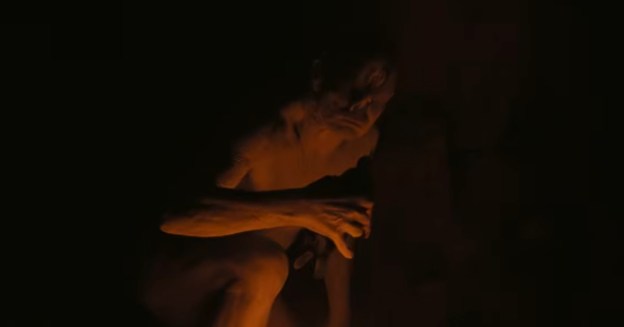
This harsh awakening arrives when they unknowingly make their way into Polyphemus’ cave, where they soon become his prey. Polyphemus is a beast. He is not crafted like a Greek god, nor is he as cute as his sheep; rather, he fully resembles an alien-like entity intentionally meant to disturb watchers. Nonetheless, his horror-like design makes him very appealing.

Before settling on a visual concept, Nolan and his team mulled over various depictions of cyclopes. Specifically, they turned their attention towards the imbalance of their facial features in other forms of media — a characteristic they desperately wanted to change. After much back and forth, the team settled on rotating his face sideways, ultimately focusing on the lopsidedness to make it uncanny. 

What makes Polyphemus such an effective character, though, is the fact that he is designed after Spanish painter Francisco Goya’s artwork Saturn Devouring His Son. Goya’s piece depicts the Roman god Saturn after a prophecy predicts that one of his children will steal the throne from him. Frightened and outraged, Saturn prompts his wife, Cybelle, to bring him every child she has, then eats them to prevent the premonition from coming true. When Polyphemus consumes one of Odysseus’ men, he crouches down into the same stance Saturn takes, echoing the painting in how he bites down on the man’s flesh.

Nolan implemented the atmospheric horror found in that artwork into the character of Polyphemus, but managed to add more. The tale bleeds into the epic, a foreboding technique which says more about the story without the need for more details. By doing so, Nolan further explores themes of time, death, destiny, and human cruelty — all aspects that are critical to The Odyssey. These messages are all tethered to Odysseus: He loses twenty years of his life out at sea, witnesses the deaths of thousands of his men, resists a forced destiny by confronting god-like trials and faces the consequences of his brutality.

Polyphemus is more than a trial. Nolan’s stylistic choices make him an unspoken prophecy. In his design of the cyclops, Nolan unfolds the future tension of The Odyssey.

Superman Didn’t Dress to Impress: Costume Misses the Mark in DC’s New Take

By Claire B.

When DC released the first official image of David Corenswet in costume as Superman, it immediately made headlines. The reaction? Mixed. The general consensus: he looks tired. Not “the-world-depends-on-me” tired—just sleep-deprived. And while the grim facial expression might reflect the tone of the upcoming film, the real problem lies in something else: the suit.

The outfit consists of textured spandex, muted colors, and a stretch waistband. Not only does it fail to stand out—it doesn’t feel like Superman. His original red, blue, and yellow suit was iconic: bright, bold, and unmistakable. Over the years, fans have praised the clean color scheme and cape. The classic version didn’t need exaggerated textures or overdone designs to prove its point. It simply worked.

This new version, though? It looks like it belongs in a Zack Snyder movie.

Director James Gunn has promised a different take, but based on this first image, it seems like DC is still leaning into the gritty realism it’s been known for in the past decade. It’s not something the franchise needs. After all, costume design plays a huge role in shaping how audiences view characters.

Compare this look to other superheroes: Iron Man’s costume makes him look modern, high-tech, and powerful. Batman’s sleek suit enhances his image as a stealthy, strategic fighter. Captain America’s red, white, and blue gear reflects patriotism and leadership. But Superman’s new look? It just feels… tired.

Costume design is more than aesthetics—it sends a message. A character’s clothing can signal their values, origin, and even their emotional state. With a character as iconic as Superman, it’s crucial to get it right.

Maybe the full film will offer more context. Maybe the outfit will make sense on screen. But for now, Superman’s new suit doesn’t elevate the character—it deflates him.

More Human Than Hero: How James Gunn’s “Superman” Brings Back Hope

By Jada Lee T.C

A thundering boom resounds throughout the city. Cars fly by and people scramble as the explosions intensify. You’re seconds away from being crushed by a massive, green, goblin-like creature. Then you notice a nearby squirrel munching on an acorn—utterly unfazed, not a single thought behind its eyes.

Who would you save: yourself or the squirrel?

If you’re Henry Cavill—who portrayed Superman in the past—you’d wait for the perfect explosion before blasting off into the sky, letting the city, and the squirrel, fall into ruin. But if you’re David Corenswet, who plays Superman in James Gunn’s new film, Superman, every little thing matters. So, you save the squirrel.

Corenswet is a different kind of Superman. He’s more empathetic than past portrayals. It’s a reminder of Superman’s original purpose: his parents sent him to Earth from Krypton with one goal—do good. While Cavill gave a strong performance in 2013’s Man of Steel, his Superman was wrapped in hypermasculinity and often strayed from that foundational ideal. Corenswet, under Gunn’s direction, brings it back. He humanizes the character.

In this film, Gunn also reimagines what a superhero fight can be. Instead of jumping straight into a generic action scene, he slows it down. He doesn’t cut to Clark Kent already suited up—he shows him lacing up his boots. It’s a small but powerful moment that reminds us: Superman is someone who lives like we do. He works a 9-to-5 job at The Daily Planet. He has a routine. And that makes him feel more (super) human than ever.

Gunn’s decision to highlight Superman’s feelings creates space for viewers to connect emotionally. The soundtrack, composed by David Fleming and John Murphy, plays a big role in this. The orchestral melodies—especially the way the trumpets swell—evoke a sense of comfort and hope.

That feeling crescendos in a memorable scene: When the fictional city of Jarhanpur is minutes away from being invaded by the Boravian army, a child stands his ground. He raises a flag bearing the iconic red “S,” gripping the pole tightly and chanting, “Superman! Superman! Superman!”

The technicolor universe of a movie theater is the perfect place to feel the emotions in that scene. As the film’s bright colors illuminate the dark room, they also illuminate your own memories—what it felt like to be a kid, wide-eyed and hopeful.

As we grow older, it gets harder to hold onto that feeling. It becomes easier to surrender to alienation, and Superman understands that.

Of course, it’s not easy. Not everyone has a billionaire trying to destroy them with high-tech weapons. But like us, Superman endures. He dedicates himself to becoming a better human, even though he’s not one. And at some point, we’ve all felt like aliens—different, out of place. What matters is how you choose to own who you are.

James Gunn’s Superman reintroduces the hero’s true purpose: a beacon of hope. In an overcomplicated world, he reminds us that surviving—and staying kind—is our greatest strength.

The Movie was Super, Man!

By Rida M.

I never believed in superheroes. Sure, I saw them in advertisements, but to me, they were just regular heroes, conquering identical monsters in different costumes. There was nothing super about them—besides the fact that their costumes were super ugly.

But James Gunn, the writer and director of Superman, changed my mind.

Despite having no popcorn or blanket, Gunn cleverly instilled a sense of optimism in his film, using surprising elements like antiwar messaging and positive masculinity. It sank me into my seat and pulled me into the world of the DC Universe. By touching on real, sensitive topics, Gunn made this superhero story something genuinely super.

The film opens with Clark Kent (David Corenswet), and I was immediately captivated by his insane face card. Working at the Daily Planet, a media company, Kent juggles a full-time job with being a superhero. This double life adds humor and depth right from the start. Since he’s a journalist who helps give a voice to the voiceless, it ties perfectly to his hero identity—and the fact that he goes as far as saving a squirrel mid-battle says a lot about his character.

The first few scenes of Kent’s “normal” life are light and playful, with jumpy screen-panning that feels cute and comic book–like. But it doesn’t last long—something Gunn’s known for, especially from his Guardians of the Galaxy films. Clark is soon ousted by the villain Lex Luthor (Nicholas Hoult—yes, the guy with the horrendous bald cap), who alienates him from his friends and the public.

Instead of portraying Superman as cold and unbothered during this rough time, Gunn takes a different approach. He shows Kent crying and expressing emotion. Rather than the stoic, tough-guy hero, this Superman is vulnerable, human, and real.

The film also explores the devastating war between two nations, Boravia and Jarhanpur, in a way that’s rare for the superhero genre. Gunn takes it further by tying the fictional war to real-life politics—specifically, the Israeli-Palestinian conflict. By having Superman support Jarhanpur (a clear stand-in for Palestine), Gunn makes a bold choice in a time when public support for Palestine in the U.S. is controversial. He may have faced backlash, but this moment proves that pop culture—especially a franchise as mainstream as Superman—can be a powerful tool for change.

That said, the movie isn’t perfect. There are sexist portrayals that made me raise an eyebrow. For example, Daily Planet reporter Cat (Mikaela Hoover) wears a revealing top and comes off more like a character built for viewer pleasure. It becomes even more obvious when she starts jumping in joy during one of Superman’s fights—a moment that felt super weird and unnecessary. Another character, Eve (Sara Sampaio), is reduced to a “dumb blonde” stereotype and mostly used to pass along information. It was disappointing to see these female characters used mainly for comic relief.

Still, Gunn’s thoughtful takes on masculinity and war are what truly set Superman apart from other superhero movies…no shade. That’s why I can say this film left a lasting impact on me… even as someone who’s never really enjoyed superhero movies before (guilty).

“Bad Shabbos” Critique: Dysfunctional Dinner, Flat Comedy

By Gabriela Q.

We rarely see a vape used as a subtle critique of Gen Z’s problematic tendencies—except in Daniel Robbins’ 2024 comedy Bad Shabbos, where it’s played with the same charm as a cigar in a film from the ’60s.

Except in Robbins’ case, it felt like a drag.

The main tragedy of the Gelflands—the family at the center of this chaotic Shabbos—is sparked by the youngest son, Adam. Played by Theo Taplitz, Adam’s stereotypically rebellious teen behavior sets off a series of events that ends with the death of Benjamin, the not-so-permanent boyfriend of his older sister Abby. The cause? A roofied drink—though the drug in question is just crushed laxatives.

Now, not only is Benjamin gone, but so is his vape addiction.

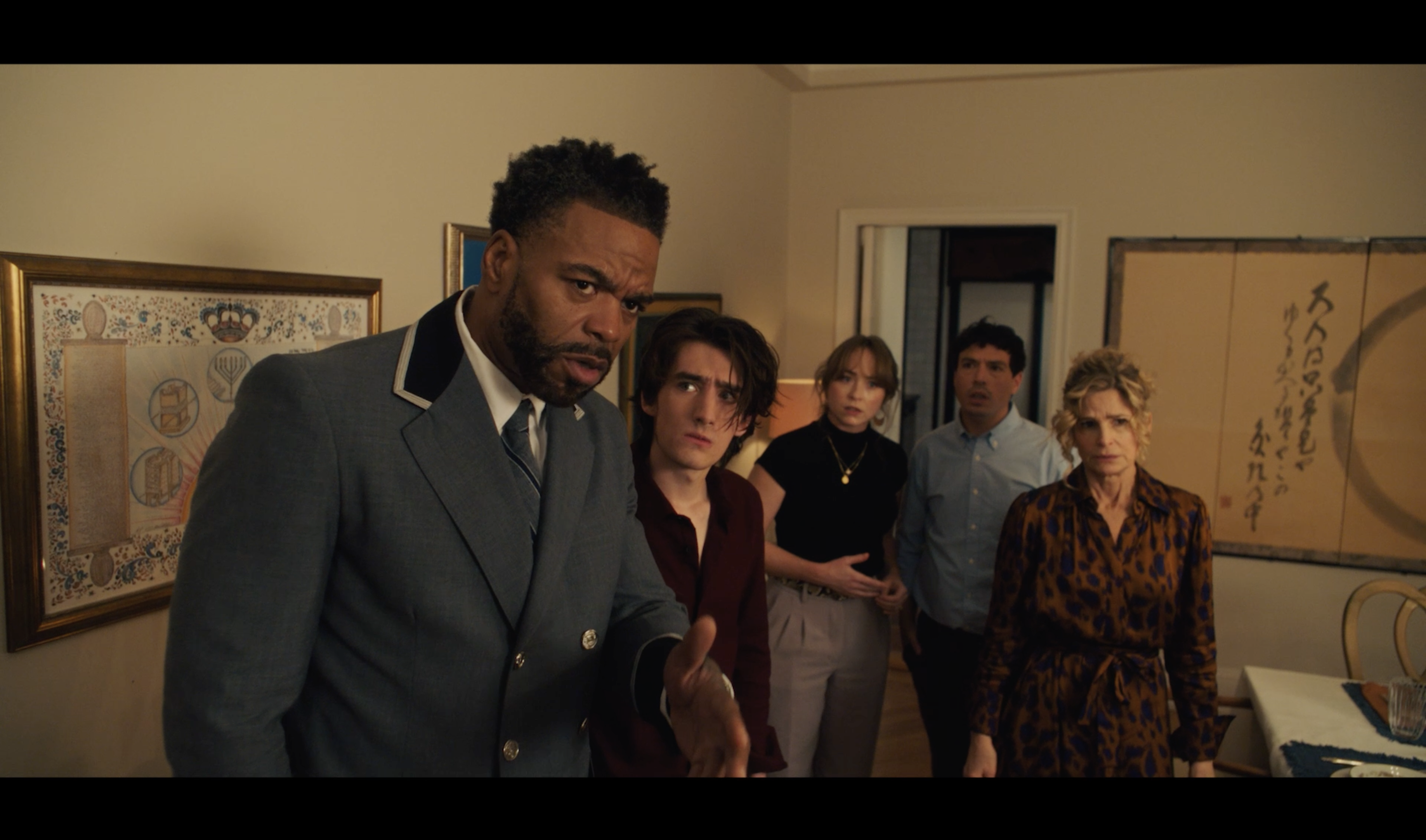
The vape, alongside other absurd plot points—like a misplaced Japanese tapestry and a hellish doorman named Cano (played by Alok Tewari)—allows the film to spiral into a comedy of dysfunction, but ultimately leaves a theater full of unfulfilled viewers.

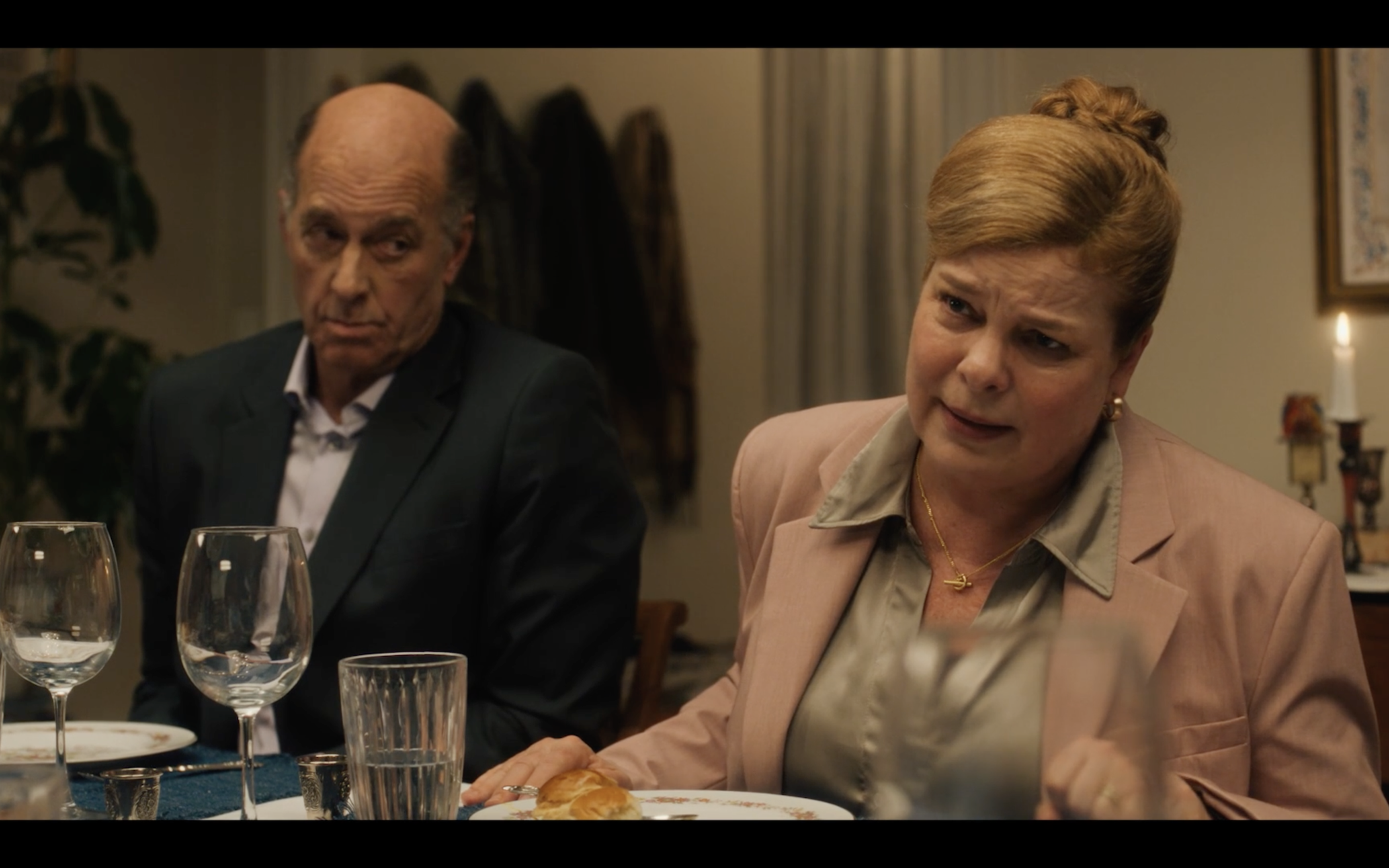
At one point, Ellen (Kyra Sedgwick), the strong-willed matriarch, makes a questionable oral fixation joke that seems like an attempt to unify the audience. The question is: are we supposed to laugh, or cringe?

Beyond Abby’s mishaps, the real stars of the show are David (Jon Bass) and Meg (Meghan Leathers), a newly engaged couple still navigating their relationship—and Ellen’s stiff resistance to Meg as a future daughter-in-law.

The film clearly wants to appeal to fans of chaotic family comedies like Meet the Fockers, but it stumbles before the halfway point.

From random flashbacks to Benjamin’s bloodied corpse (including a particularly bizarre moment where the family cat licks his forehead) to drawn-out awkward moments, Robbins seems hesitant to move beyond the cringeworthy family comedy trope.

But once dinner begins, the momentum finally picks up.

Infusing an awkward family dinner with a murder twist isn’t easy—but making it funny is even harder.

The best humor in the film comes from the back-and-forth between Richard (the family patriarch) and John (Meg’s father). Soup flies across the table like it’s a kindergarten cafeteria fight. Bloodied sleeves lead to uncomfortable, off-key chants. The most memorable scenes aren’t built on the thin murder plot, but on the chaos at the dinner table.

Bad Shabbos doesn’t shine in its shock value—it shines, occasionally, in its honest depiction of what it feels like to sit through a deeply uncomfortable family holiday. That’s where the real comedy lies.

‘Bad Shabbos’ Review: Dinner Conversation Hits a New Low After Someone Drops the Topic–and a corpse.

By Yullianne L.

What would it take for you to hide a dead body for your family member? In Bad Shabbos, directed by Daniel Robbins, that question is not a hypothetical. In the indie film, David (Jon Bass) and Meg (Meghan Leathers)’s interfaith Sabbath dinner takes a dark comedic turn, when their attempt to bring together the in-laws plunges into chaos after discovering one of their guest’s dead body on the bathroom floor. As religion, tradition, and family dynamics blend together, the film turns a sacred evening into a panicked scramble to cover up a body and to keep the peace between families. 

Set in the heart of the Jewish community of New York’s Upper West Side, Bad Shabbos manages to balance being both a cultural comedy and a portrait of chaotic family dynamics. Robbins and Co-writer Zack Weiner capture the discomfort and deeply-rooted love that defines family gatherings and the culture shock that the interfaith families experience. While some jokes in the dialogues lean into Jewish stereotypes, all of the jokes are incredibly chuckle-worthy and better to watch with a crowd. They also take on several dysfunctional family dramas in their dialogues, highlighting universal family tensions: sibling rivalries, parental judgement, and desperate desire to make a good impression. Throughout the film, the cold, lifeless body in the bathroom ironically becomes a vessel that helps reconnect the family with their love for one another.

At the film’s core is David’s spiraling anxiety, which is both hilarious and heartbreakingly familiar. As he tries to keep his opinionated Jewish parents away from Meg’s Catholic parents, he struggles to satisfy everyone. Robbins doesn’t shy away from exploring pressures placed in interfaith relationships, the film shows particularly of Meg’s expectations to convert, as she was pressured to convert to Judaism to be “good enough” specifically for David’s mother. These moments of tension keeps the film relatable and real, as it balances the fast-paced comedy with lasting emotional impressions to the audience.

Family relationships are the film’s strongest element. The dinner table becomes a war zone of conflicting personalities and egos: Abby (Milana Vayntrub), David’s argumentative sister, constantly provokes their teenage brother Adam (Theo Taplitz), whose slightly sociopathic edge adds to the unpredictable element during dinner. Benjamin (Ashley Zukerman), Abby’s cocky boyfriend, adds fuel to the fire with his personal conflict with Adam. David clings to Jordan (Method Man), the building’s doorman, who becomes an emotional anchor for him as things continue to spiral out of control. 

Visually, Robbins enhances the film’s anxiety and absurdity with sharp editing and cinematography. The quick jump cuts, particularly during David’s mirror pep talks, reflects his inner chaos, while the warm and symmetrical color grading brings out a similarity in Wes Anderson’s film-making style. The camera’s smooth panning when David’s parents are discussing the dinner allows more perspective to be shown to the audience, like they’re actually in the room when they’re speaking. 

 Bad Shabbos is ultimately more than just a dark comedy– it’s a heartfelt and hilarious look at what we’re willing to do for our families, even if it means hiding a body. 

The Humor of Being Forgotten: Daniel Robbins’s “Bad Shabbos” Neglects The Middle Child 

By Clara T.

At threaded fingers comes the daybreak of David and Meg’s relationship, grasping each other in hope for an easy dinner when their Jewish and Catholic families collide at last—a prayer for the journey ahead. Scenes apart, the introduction of Abby and Benjamin is not as ginger. She urges him to go inside her parents’ apartment, becoming cordless when he distances himself for a smoke. Abby—the middle child in the family—is never given a fair shake in Daniel Robbins’s film Bad Shabbos. She is caught in the push and pull, never finding true support.

Daniel Robbins, a director known for the horror films Pledge and Uncaged, seems to be pivoting away from his usual terrain with Bad Shabbos, which partly opens in appearance as a Hallmark-esque film about a family gathering for a warm holiday dinner. Yet something is clearly off. Framed as an interreligious parable, Bad Shabbos attempts to say that familial strife can be resolved in the face of sin—even murder. Although Robbins blatantly implies there will be no “good shabbos” in this story, could it be too much to ask for good direction?

While Robbins presumably set out to make a Hanukkah family movie, it is in fact a murder comedy—one floating with offensiveness and thoughtlessness. Here, the tension is meant to lie between matriarch Ellen (Kyra Sedgwick), who sweetly condescends that Judaism is “a household plant” passed down through generations of women, and almost-daughter-in-law and laborious convert Meg, whose efforts to swing from the Catholicism she was raised with to her fiancé’s religion, Judaism, are likened to taking “online courses in gardening.” They interact as foils in symmetrical frames that capture the generational gap dilemma in religious communities—centered the way Wes Anderson might.

By contrast, the woman in this hereditary line—Ellen’s daughter Abby (Milana Vayntrub)—is largely neglected. Robbins overlooks the actual strain between mother and daughter, even though Abby is the girlfriend of the murdered man who cheated on her. While Abby’s older brother David, her younger brother Adam (Theo Taplitz), and her father Richard (David Paymer) grieve with her following the death, Robbins falls into the stereotype of ignoring the middle child.

Abby is the true compass of the Bad Shabbos ensemble, even when Robbins makes heroes of everyone but her. Robbins turns the doorman Jordan (Method Man) into the concluding savior when he impersonates Abby’s dead boyfriend at the dinner table to avert suspicion—kissing Abby to increase believability, without her consent. One of the few tender moments is when Abby, wordless, conveys her sorrow, revealing she had known her boyfriend was cheating all along. That is the singular mystery revealed—if anyone came in expecting a murder mystery.

The family members are all losers in the end, but at least they are closer to one another—except Abby. While David supports Meg, Meg struggles for Ellen, Jordan aids David and Richard, and Richard and Ellen baby Adam—what kind of support is it if it takes a murder to realize Abby’s suffering?

Robbins’s rise in the comedy genre is positioned as a Messianic Age or a Second Coming of a directorial debut—but it is everything but. Much like Bad Shabbos unites everyone but Abby.

“Bad Shabbos” Is Actually Bad: A Comedy That Misses Its Mark

By Jiondae D.

The laws of Shabbat argue that if one is not bedridden, even minor medications should be prohibited. While this violates Shabbat rules, nothing is worse than betraying the Ten Commandments—arguably in the worst way: murder.

These conflicting ideas collide in Daniel Robbins’ film Bad Shabbos.

After joining his girlfriend’s family for Shabbat dinner, Benjamin’s fate is sealed the moment he reveals his colitis diagnosis—and makes a few offhand comments to his girlfriend’s brother, Adam. Soon after, Adam drugs him with laxatives.

Despite losing Benjamin early on, his death fails to create suspense. Instead, it becomes an excuse to launch into a series of underwhelming scenes that make the moment feel almost comedic.

The film takes place in an Upper West Side apartment in New York City, home to Mr. and Mrs. Gelfland and their youngest son, Adam. They invite their two older children and their partners to celebrate Shabbat dinner. Roughly 20 minutes in, Benjamin drinks laxatives. After a comical struggle with his pants and a race to the toilet, he slips, hits his head, and passes away—off-screen, in the bathroom.

Typically, a film’s climax occurs about 90% of the way through. But in Bad Shabbos, Benjamin’s death happens so quickly and chaotically that the rest of the film struggles to find purpose. Audiences don’t pay over twenty dollars to watch a twenty-minute movie, and unfortunately, the remaining runtime becomes a collection of scenes that are more mediocre than meaningful. The cat’s unhinged behavior and wasted food do little to elevate the tone.

Even more jarring is the hypocrisy on display. The Jewish parents mock their daughter for using a car during Shabbat while their son—who killed a guest—is shielded from consequences. This contradiction darkens the already uneven tone of the film.

And just when it seems the chaos is over, the future in-laws arrive. What should be an opportunity for dramatic tension turns into another shallow gag. Glaring looks from the mother and spilled soup are played for laughs, but it’s not as funny as the filmmakers may have hoped. Instead, it feels like filler—lacking imagination and failing to build on earlier scenes that had at least a little more personality.

Benjamin’s death becomes less important with every scene. What could’ve grounded the film in something dark and compelling instead becomes tasteless. This isn’t just an ordinary Shabbat.

It’s the epitome of carelessness.